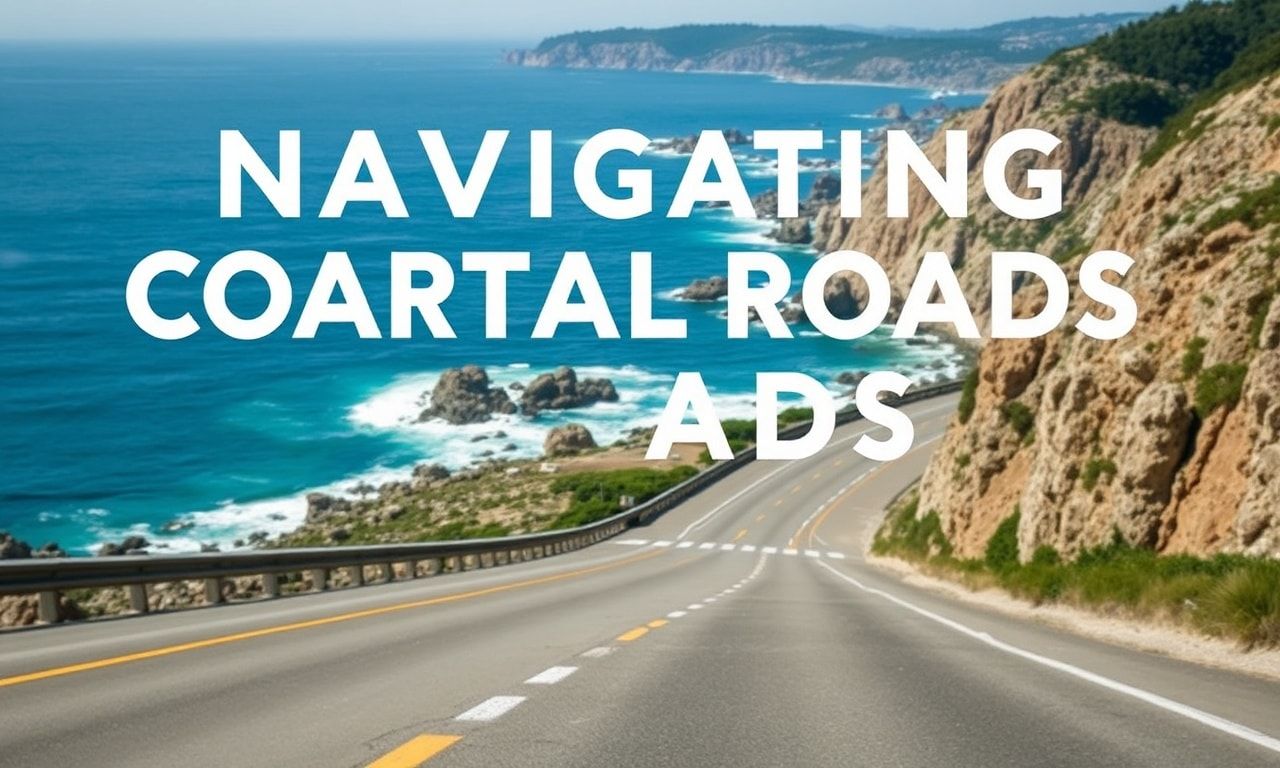
The Unique Challenges of Coastal Driving
Driving along coastal roads offers breathtaking views and a sense of freedom, but it also presents unique challenges that require attention and preparation. Coastal areas often experience unpredictable weather, narrow roads, and heavy tourist traffic, making it essential for drivers to stay vigilant. Understanding these challenges can help ensure a safe and enjoyable journey.
Weather Conditions and Road Safety
Coastal regions are prone to rapid weather changes, including fog, rain, and strong winds. These conditions can significantly impact visibility and road traction. Drivers should always check the weather forecast before embarking on a coastal drive and adjust their speed accordingly. In foggy conditions, using low beam headlights and fog lights can improve visibility. Additionally, maintaining a safe distance from other vehicles is crucial to avoid accidents.
Road Design and Traffic Management
Many coastal roads are narrow and winding, with limited shoulders and sharp turns. These design features require drivers to be extra cautious and attentive. It’s important to stay in your lane and avoid sudden lane changes. Tourist traffic can also be heavy, especially during peak seasons. Drivers should be prepared for slower speeds and frequent stops. For those driving vehicles like the Honda Accord, understanding how to navigate these roads is essential. For more tips, consider reading Honda Accord driving in coastal areas tips.
Wildlife and Pedestrian Awareness
Coastal areas are often home to diverse wildlife and popular pedestrian routes. Drivers must be aware of the potential for animals crossing the road and pedestrians, especially in residential and tourist areas. Reducing speed in these zones and staying alert can prevent accidents. Additionally, many coastal roads have bike lanes, so drivers should be cautious when overtaking cyclists.
Emergency Preparedness
In case of an emergency, having a well-stocked emergency kit in your vehicle is crucial. This kit should include items such as a first aid kit, flashlight, extra water, non-perishable food, and a blanket. Knowing the locations of nearby hospitals, police stations, and service centers can also be beneficial. Drivers should familiarize themselves with local emergency numbers and have a reliable means of communication.
Tire Maintenance and Road Conditions
Maintaining your vehicle’s tires is essential for safe driving, especially on coastal roads. Check tire pressure regularly and ensure they are in good condition. Coastal roads can be prone to potholes and rough surfaces, which can damage tires and affect handling. Regular tire inspections and rotations can help prevent accidents caused by tire failure.
Staying Informed and Updated
Staying informed about road conditions and local regulations is vital for safe coastal driving. Many coastal areas have specific traffic laws and regulations that drivers should be aware of. Checking local news and traffic updates before starting your journey can provide valuable information about road closures, construction, and other potential hazards. Utilizing GPS navigation systems can also help drivers stay on the right path and avoid unexpected detours.
As winter approaches, staying informed about health and wellness is crucial, so we suggest reviewing essential winter health tips to navigate the season safely.
For a deeper understanding of this topic, The Resurgence of Cross-Country Road Trips: offers valuable insights worth exploring.
In the ever-evolving landscape of personal expression, elevating your style game has become a significant cultural conversation, blending current trends with timeless elegance.