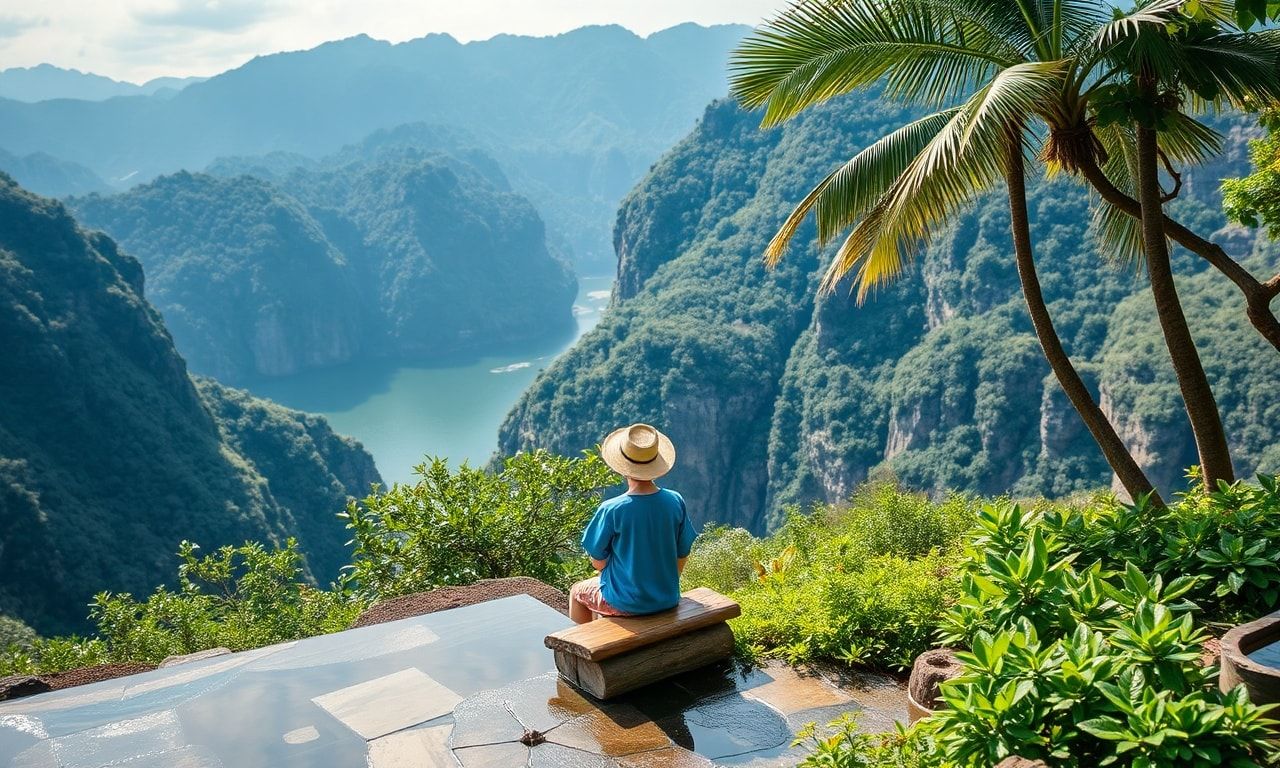
The Global Wellness Tourism Industry
The global wellness tourism industry has witnessed a remarkable surge in recent years, with travelers seeking holistic experiences that rejuvenate the mind, body, and soul. According to the Global Wellness Institute, wellness tourism is now a $639 billion market, growing at a rate of 6.4% annually. This trend is not only reshaping the travel industry but also influencing cultural exchanges and economic development in various regions.
Wellness tourism encompasses a wide range of activities, from spa retreats and yoga vacations to adventure travel and cultural immersion programs. The demand for authentic and transformative experiences has led to the emergence of niche markets, such as digital detox retreats and wellness cruises. As travelers become more discerning, destinations are increasingly investing in wellness infrastructure to attract this lucrative demographic.
The Impact of Wellness Tourism on Local Economies
Wellness tourism has become a significant driver of economic growth in many countries. In destinations like Bali, Thailand, and Costa Rica, wellness retreats and spas contribute substantially to local employment and revenue. The industry also fosters the preservation of traditional healing practices, such as Ayurveda and traditional Chinese medicine, by integrating them into modern wellness offerings.
Moreover, wellness tourism promotes sustainable development by encouraging eco-friendly practices and community engagement. Many wellness resorts prioritize locally sourced ingredients, support fair trade, and implement environmental conservation initiatives. This holistic approach not only benefits the environment but also enhances the authenticity of the travel experience.
Wellness Tourism and Cultural Exchange
One of the most profound impacts of wellness tourism is its role in facilitating cultural exchange. Travelers seeking wellness experiences often immerse themselves in local traditions, customs, and cuisines. This cultural immersion fosters mutual understanding and appreciation, breaking down barriers and promoting global harmony.
For instance, visitors to Japan may participate in traditional tea ceremonies and onsen (hot spring) rituals, gaining insights into the country’s rich cultural heritage. Similarly, travelers to India might engage in Ayurvedic treatments and yoga practices, deepening their connection with ancient healing traditions. These experiences not only enhance personal well-being but also cultivate a sense of global citizenship.
The Role of Technology in Wellness Tourism
Technology has revolutionized the wellness tourism industry, making it more accessible and personalized. From wellness apps that track fitness and nutrition to virtual reality experiences that simulate healing environments, technology is enhancing the travel experience in numerous ways. Additionally, social media platforms play a crucial role in promoting wellness destinations and sharing travel experiences.
For those interested in deepening their understanding of wellness practices, online resources such as how to use asian massage tools effectively provide valuable insights and guidance. These resources empower travelers to incorporate wellness practices into their daily lives, extending the benefits of their travel experiences beyond their vacations.
The Future of Wellness Tourism
The future of wellness tourism looks promising, with emerging trends such as biohacking, sound healing, and forest bathing gaining popularity. As travelers seek more personalized and immersive experiences, the industry will continue to evolve, offering innovative and transformative wellness journeys.
Destinations that prioritize sustainability, authenticity, and community engagement will likely attract a growing number of wellness travelers. By embracing these principles, the wellness tourism industry can contribute to a healthier, more connected, and sustainable world.
As the travel industry continues to evolve, wellness tourism gains global traction and is becoming a significant trend in current global travel patterns.
As winter weather conditions begin to impact daily life, understanding how to properly maintain your vehicle is crucial; our guide on caring for your car in winter offers essential tips to keep you safe on the roads.
As law enforcement agencies increasingly adopt advanced technologies, our latest feature, how tech shapes policing, examines the evolving landscape of crime fighting.