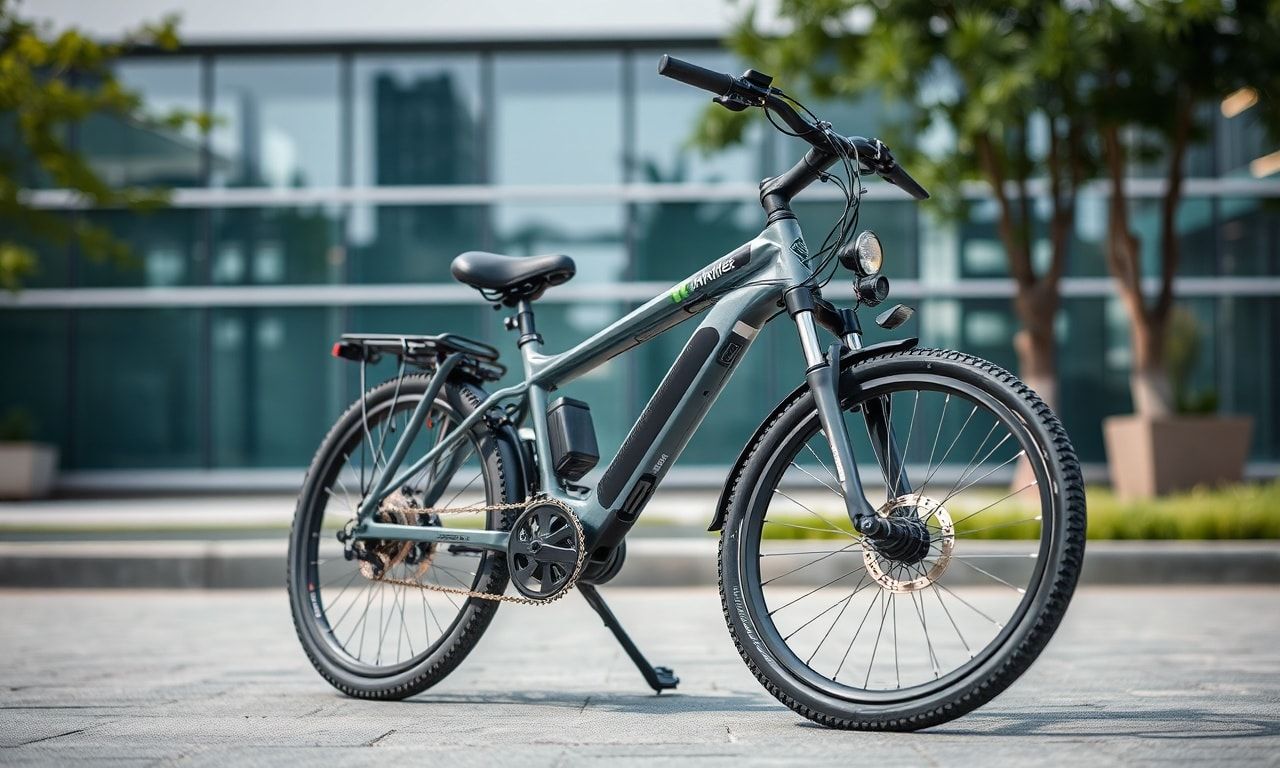
The Growing Popularity of Electric Bikes
The world is witnessing a significant shift in transportation preferences, with electric bikes emerging as a popular choice for commuters and enthusiasts alike. This surge in popularity can be attributed to several factors, including environmental consciousness, technological advancements, and the desire for cost-effective transportation solutions. As cities become more congested and pollution levels rise, many individuals are turning to electric bikes as a sustainable and efficient alternative to traditional vehicles.
Environmental Benefits
One of the primary reasons for the rise of electric bikes is their positive impact on the environment. Electric bikes produce zero emissions, making them an eco-friendly option for urban commuting. By reducing the reliance on fossil fuels, electric bikes help lower carbon footprints and contribute to cleaner air quality. Additionally, the energy required to charge electric bikes is significantly less than that needed to fuel conventional vehicles, further enhancing their environmental benefits.
Technological Advancements
Advancements in battery technology and motor efficiency have played a crucial role in the growing popularity of electric bikes. Modern electric bikes are equipped with high-capacity lithium-ion batteries that offer extended range and faster charging times. These technological improvements have made electric bikes more reliable and convenient for daily use. Furthermore, the integration of smart features, such as GPS navigation and connectivity with mobile apps, has enhanced the overall riding experience, making electric bikes a desirable choice for tech-savvy consumers.
For those looking to invest in an electric bike, it’s essential to consider factors such as comfort and durability. A comparison of electric bikes for comfort and durability can provide valuable insights into the best models available in the market, helping consumers make informed decisions.
Cost-Effectiveness
Electric bikes offer a cost-effective transportation solution compared to traditional vehicles. The initial cost of purchasing an electric bike is generally lower than that of a car, and the ongoing expenses for maintenance and operation are significantly reduced. Electric bikes require minimal maintenance, and the cost of electricity for charging is considerably lower than the cost of gasoline. Additionally, many cities offer incentives and subsidies for electric bike purchases, further reducing the overall cost for consumers.
Health and Wellness Benefits
Beyond environmental and financial advantages, electric bikes also promote a healthier lifestyle. Riding an electric bike provides a low-impact form of exercise that can improve cardiovascular health and enhance overall fitness levels. The assistance provided by the electric motor allows riders to cover longer distances with less effort, making it an accessible option for individuals of all fitness levels. Regular cycling can also help reduce stress and improve mental well-being, contributing to a healthier and happier lifestyle.
Challenges and Considerations
Despite the numerous benefits, there are some challenges and considerations associated with electric bikes. One of the primary concerns is the initial cost, which can be higher than that of traditional bicycles. However, the long-term savings on fuel and maintenance often outweigh the initial investment. Another consideration is the availability of charging infrastructure, particularly in rural areas. As the popularity of electric bikes continues to grow, it is expected that more charging stations will be installed to support the increasing number of riders.
Additionally, safety is a crucial aspect to consider when using electric bikes. Riders should always wear helmets and follow traffic rules to ensure their safety on the road. Proper maintenance of the bike, including regular checks of the brakes, tires, and battery, is essential to prevent accidents and ensure a smooth riding experience.