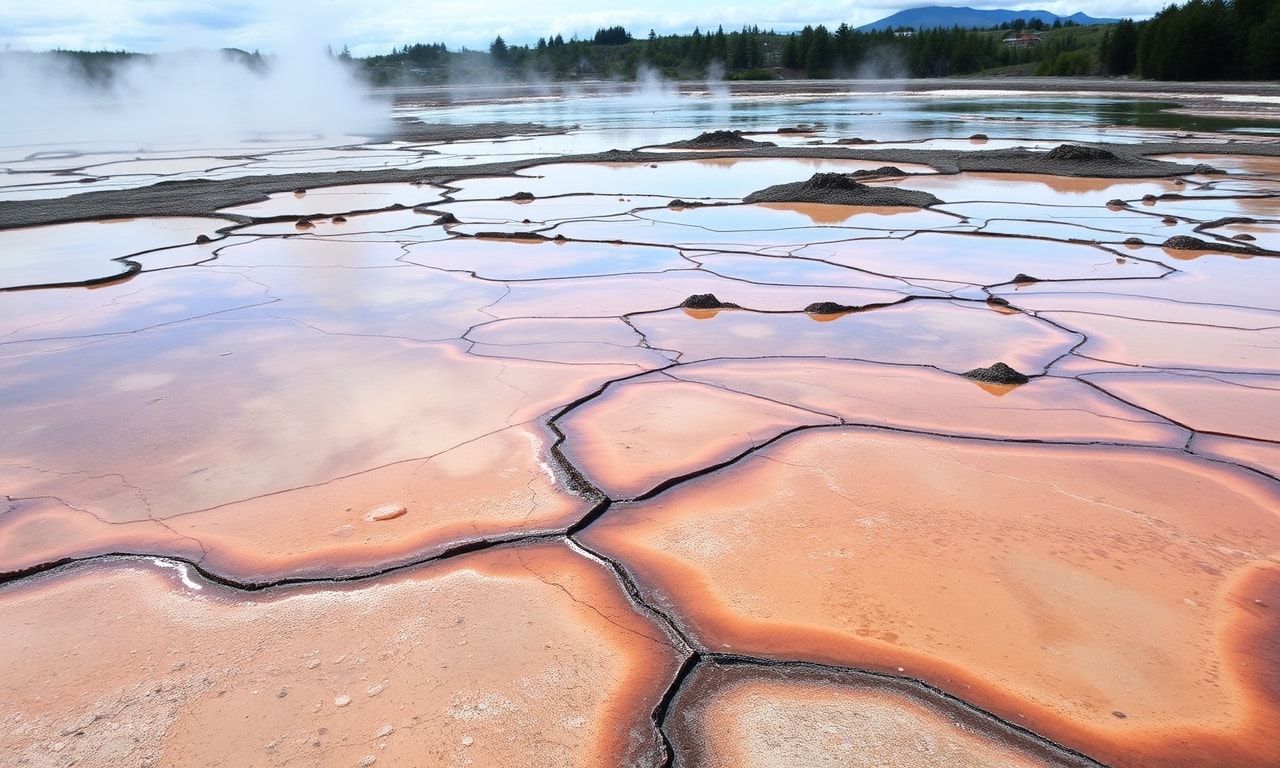
Rotorua’s Geothermal Wonders: A Natural Marvel
Rotorua, a city in New Zealand’s North Island, is renowned for its geothermal activity, a spectacle that draws tourists from around the globe. The city sits on the Pacific Ring of Fire, a region known for its volcanic activity. This unique geographical positioning has blessed Rotorua with a landscape dotted with geysers, hot springs, and mud pools, creating a mesmerizing display of nature’s power and beauty.
The geothermal activity in Rotorua is not just a tourist attraction but also a vital part of the local culture and economy. The Maori people, the indigenous Polynesian inhabitants of New Zealand, have long revered these natural wonders, incorporating them into their myths, legends, and daily lives. Today, Rotorua’s geothermal features are a significant driver of the local economy, supporting a thriving tourism industry.
The Impact of Tourism on Rotorua’s Geothermal Landscape
While tourism has brought prosperity to Rotorua, it has also posed challenges to the preservation of its geothermal wonders. The influx of visitors has led to increased foot traffic, infrastructure development, and environmental degradation. The delicate balance between promoting tourism and conserving the natural landscape is a constant concern for local authorities and environmentalists.
To mitigate the impact of tourism, Rotorua has implemented various measures. These include regulating visitor numbers, promoting sustainable tourism practices, and investing in infrastructure that minimizes environmental impact. For instance, the city has developed a network of boardwalks and viewing platforms that allow visitors to experience the geothermal wonders without causing damage to the delicate ecosystems.
Weekly Weather Forecast and Its Role in Tourism Management
Effective tourism management in Rotorua also involves monitoring and planning around the weekly weather forecast. The city’s geothermal features are highly sensitive to weather conditions, with heavy rainfall and extreme temperatures potentially causing damage to the delicate ecosystems. By keeping a close eye on the weather forecast, local authorities can take proactive measures to protect the geothermal wonders and ensure the safety of visitors.
Moreover, the weather forecast plays a crucial role in planning and organizing outdoor activities and events. Rotorua’s tourism industry is highly seasonal, with peak visitor numbers occurring during the summer months. By leveraging the weather forecast, tourism operators can optimize their services, ensuring that visitors have the best possible experience while minimizing the impact on the natural environment.
Conservation Efforts: Protecting Rotorua’s Geothermal Treasures
Conservation efforts in Rotorua are focused on preserving the city’s geothermal wonders for future generations. These efforts involve a combination of scientific research, community engagement, and policy initiatives. For instance, the University of Auckland’s Geothermal Institute conducts research on the geothermal systems in Rotorua, providing valuable insights into their functioning and dynamics.
Community engagement is another critical aspect of conservation efforts in Rotorua. Local residents, tourism operators, and environmentalists work together to promote sustainable tourism practices and raise awareness about the importance of preserving the geothermal wonders. This collaborative approach ensures that the benefits of tourism are shared equitably among all stakeholders while minimizing the impact on the natural environment.
Policy Initiatives for Sustainable Tourism
Policy initiatives play a crucial role in promoting sustainable tourism in Rotorua. The New Zealand government has implemented various policies and regulations aimed at protecting the country’s natural heritage while promoting sustainable tourism. For instance, the Resource Management Act 1991 provides a framework for managing the country’s natural resources, including geothermal features.
At the local level, the Rotorua District Council has developed a comprehensive tourism strategy that focuses on sustainable growth and environmental conservation. The strategy includes measures such as regulating visitor numbers, promoting sustainable tourism practices, and investing in infrastructure that minimizes environmental impact. By implementing these measures, the council aims to ensure that the benefits of tourism are shared equitably among all stakeholders while preserving the city’s unique geothermal landscape.
The Future of Rotorua’s Geothermal Tourism
The future of Rotorua’s geothermal tourism looks promising, with a growing emphasis on sustainability and environmental conservation. As the global tourism industry shifts towards more sustainable and responsible practices, Rotorua is well-positioned to capitalize on this trend. The city’s unique geothermal wonders, combined with its rich cultural heritage and natural beauty, make it a prime destination for eco-conscious travelers.
To ensure the long-term sustainability of its geothermal tourism industry, Rotorua must continue to invest in conservation efforts, promote sustainable tourism practices, and engage with the local community. By doing so, the city can preserve its natural wonders for future generations while reaping the economic benefits of tourism.
In conclusion, Rotorua’s geothermal landscape is a natural marvel that offers a unique blend of natural beauty, cultural heritage, and economic opportunity. However, the delicate balance between promoting tourism and conserving the natural environment requires careful management and a collaborative approach. By leveraging the weekly weather forecast, implementing sustainable tourism practices, and investing in conservation efforts, Rotorua can ensure that its geothermal wonders continue to thrive for generations to come.
As weather patterns continue to evolve, a new article on technology’s role in meteorology offers a timely look at how innovation is reshaping our understanding of climate and forecasting.