Rotorua’s Healthcare System: A Blend of Tradition and Innovation
Rotorua, a city known for its geothermal wonders and rich Māori culture, is also making waves in the healthcare sector by uniquely integrating traditional Māori practices with modern medicine. This approach is not only preserving cultural heritage but also providing holistic care to the community. The city’s healthcare system is a testament to the power of cultural integration in modern society.
The Role of Traditional Māori Healing
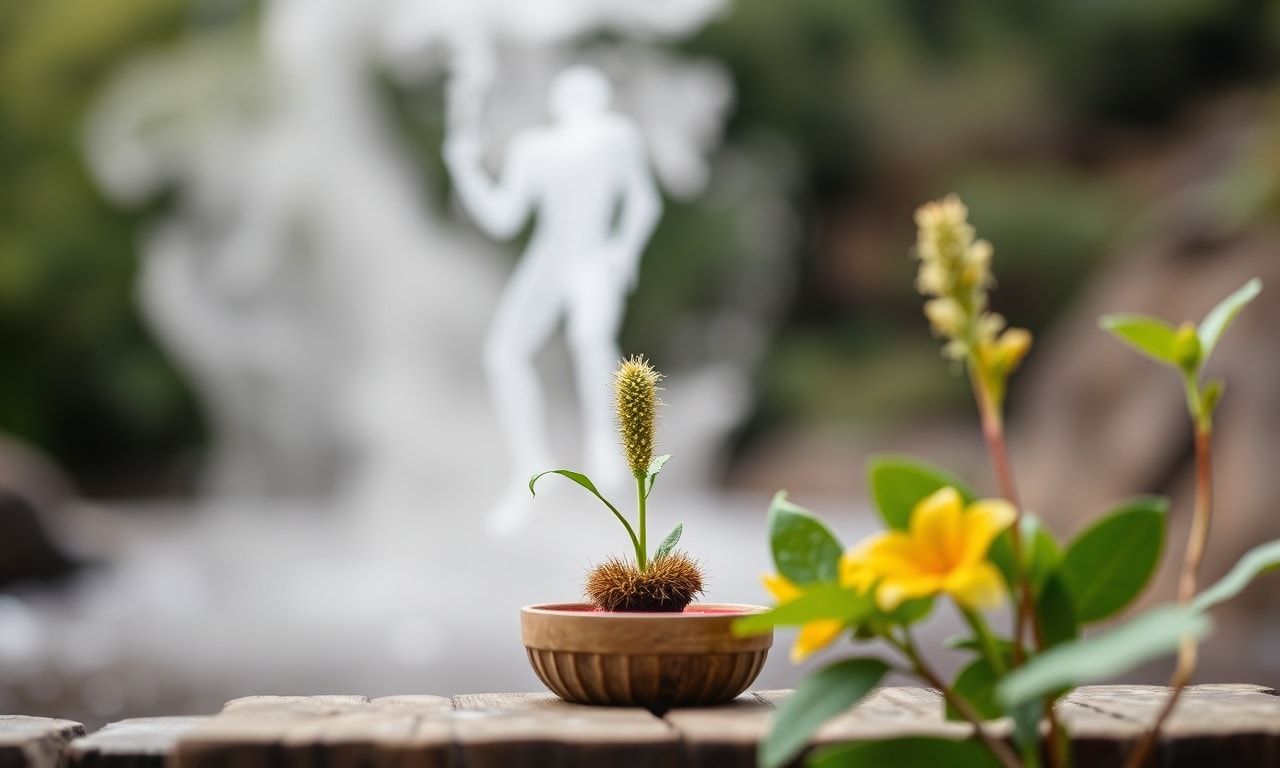
Traditional Māori healing, or ‘Rongoā Māori,’ plays a significant role in Rotorua’s healthcare system. This practice involves the use of native plants, known as ‘ngā rākau rongoā,’ for medicinal purposes. These herbal remedies for joint pain and inflammation, among other ailments, have been used for centuries and are now being recognized and incorporated into modern healthcare practices. The integration of these traditional methods with contemporary medicine is a significant step towards a more inclusive and effective healthcare system.
Herbal Remedies and Modern Medicine
One of the most notable aspects of Rotorua’s healthcare system is the use of herbal remedies for joint pain and inflammation. These remedies, derived from native plants, are used in conjunction with modern medical treatments to provide comprehensive care. For instance, the use of harakeke (flax) for wound healing and kawakawa for pain relief is now backed by scientific research, further validating the effectiveness of these traditional practices. This synergy between traditional and modern medicine is a unique feature of Rotorua’s healthcare system.
The Impact on Community Health
The integration of traditional and modern medicine in Rotorua has had a profound impact on community health. Residents have access to a wide range of healthcare options, from traditional Māori healing practices to modern medical treatments. This holistic approach to healthcare has led to improved health outcomes and a higher quality of life for the community. Moreover, it has fostered a sense of cultural pride and identity among the Māori people, as their traditional practices are being recognized and valued.
Challenges and Future Prospects
Despite the successes, the integration of traditional and modern medicine in Rotorua’s healthcare system is not without its challenges. One of the main challenges is the need for more research to validate the effectiveness of traditional Māori healing practices. Additionally, there is a need for more training and education for healthcare professionals in these traditional practices. However, the future prospects for Rotorua’s healthcare system are promising. With continued research, education, and community support, the integration of traditional and modern medicine can serve as a model for other communities around the world.
Conclusion
Rotorua’s unique approach to healthcare, which integrates traditional Māori healing practices with modern medicine, is a testament to the power of cultural integration. This approach not only preserves cultural heritage but also provides holistic care to the community. The use of herbal remedies for joint pain and inflammation, among other ailments, is a significant aspect of this integration. As Rotorua continues to innovate and adapt, its healthcare system serves as a model for other communities seeking to integrate traditional and modern practices.
In a bid to boost community health, residents in Dundee are turning to green spaces with urban gardening initiatives gaining traction.
As the world continues to grapple with health challenges, understanding how to naturally bolster your immune system has become increasingly important; our guide to strengthening immunity offers practical advice.