
How to Find a Death Notice in Rotorua and the Bay of Plenty
Find a Rotorua or Bay of Plenty death notice with practical search tips, publication sources, useful details to gather and next steps if no notice appears.

To find a death notice in Rotorua, search the person’s full name alongside Rotorua or a likely Bay of Plenty town, then check newspaper notice pages and funeral provider websites. Try name variations and a wider date range if nothing appears. Not every family publishes a notice, and a notice is not the same as a formal death record.
Start with what you know: the person’s preferred or full name, possible spelling variations, where they lived, and an approximate date of death or funeral. These details help narrow searches across local and national publications, which may have different archives and search tools.
If an online search comes up empty, ask relatives or the funeral provider whether a notice was published and where. You can also check whether the information you need is a public notice or a formal record, since they serve different purposes.
- Search the person’s name with Rotorua or a likely Bay of Plenty town, then try spelling and name variations.
- Check local and national newspaper notice pages and funeral provider websites; there is no single complete local register.
- Ask family or the funeral provider where a notice appeared if online searches do not find it.
- A death notice is an announcement, not a formal death record, and not every family publishes one.
What a death notice can tell you
Notice details and purpose
A death notice usually shares that someone has died and may give the funeral date, time, or location. Families can also include a short tribute, names of close relatives, or information about donations and condolences. The wording and detail depend on what the family chose to publish, so notices vary widely.
- Mistake: treating a matching name as confirmation; better: compare the town and family details.
- Mistake: assuming every death is announced; better: check other sources if no notice appears.
- Mistake: using a notice as formal proof; better: seek an official record for legal or administrative needs.
A notice can help you confirm that a person with a familiar name is the one you are looking for. Check the surrounding details, such as a town, relative’s name, or funeral information, rather than relying on a name match alone. This matters especially when names are common or spellings differ.
Use a notice as a family or community announcement, not as proof of legal details. It may not state the cause of death, full birth details, or every surviving relative. If you need an official record for administrative purposes, a published notice may not meet that need.
Notice or formal record
A death notice is published for readers; a formal death record is created through the official registration system. The notice may be arranged by a family or funeral provider, while the record serves a different administrative purpose. Do not assume that the same details appear in both.
For a funeral time or a family’s chosen message, a notice is often the more directly useful source. For matters that require formal confirmation, check the relevant New Zealand government information about death records and eligibility. Access and the details available can depend on the purpose of the request.
A notice may appear before, during, or after funeral arrangements, and a family may choose not to publish one at all. That choice does not indicate whether a formal record exists. Keep the two routes separate: search publication sources for an announcement and official channels for a registered record.
Start with the person’s name and likely location

Build a focused search
Search the person’s full name with Rotorua and, if needed, the name of another likely Bay of Plenty town. Add an approximate year or a word such as “funeral” or “death notice” to separate results from unrelated mentions. Start with the clearest details, then broaden the search if it finds nothing.
- Pair a person’s name with Rotorua or a likely Bay of Plenty town.
- Test spelling and name variations before ruling out a match.
- Add an approximate year or funeral-related term to narrow results.
Try the name as the person used it publicly as well as any known formal or earlier name. A notice may use a middle name, a shortened first name, or a different surname after marriage. If you are unsure of spelling, search a shorter name combination and inspect results carefully.
A publisher planning an announcement may look for cheap press release distribution, but that service does not help families find an existing death notice. For your search, keep the person’s name and likely place in the query, then add other details one at a time. This makes it easier to see which terms improve the results.
- Try the full name and Rotorua.
- Add a likely town or approximate year.
- Test known name and spelling variations.
- Include “funeral” or “death notice” if needed.
Widen the place and dates
If a Rotorua search does not work, extend it to nearby Bay of Plenty communities connected to the person. Someone may have lived in one place, had family in another, or held a funeral elsewhere. Search the relevant town names separately rather than assuming every notice is indexed under Rotorua.
When the date is uncertain, search across a broader period and use any event you can place in time, such as a funeral or a family gathering. Search pages may not sort results in the way you expect, and older notices can be harder to find. Keep a note of terms already tried.
Search engines may omit older pages or show only a portion of a publication’s archive. If a result looks promising, open the underlying page and check its full text and publication date. If it is missing or inaccessible, try the publication’s own search or ask a family member for the source.
Check local and national publication sources
Search newspaper notice pages
Check local Rotorua news publications as well as larger New Zealand newspaper notice pages, since families may choose different outlets. Search each publication’s notice or obituary area using the person’s name and likely location. A guest post marketplace is not a directory of death notices, so focus on newspaper and funeral notice pages instead.
A publication’s own search can be more useful than a general web search when its notices are collected in a dedicated archive. Try both the name alone and the name with Rotorua, then check any result for matching family or funeral details. If the archive has filters, use them to narrow the date or notice type.
Do not expect every local notice to appear in one place. Publications differ in what they accept, how long they retain pages, and whether older material is searchable online. If the person’s likely community is outside Rotorua, include the relevant town and check publications that serve that area too.
- Check local Rotorua publication notice pages.
- Search national newspaper notice sections.
- Use each publication’s own archive and filters.
- Repeat searches with the likely Bay of Plenty town.
| Source | Useful for | Limit |
|---|---|---|
| Local publication | Rotorua and nearby community notices | May not include every notice |
| National newspaper | Notices published beyond the local area | Archive coverage varies |
| Funeral provider | Service details and provider-hosted notices | Only covers its own arrangements |
| Family contact | Finding the publication or notice location | Information is shared at the family’s discretion |
Check funeral provider notices
Funeral provider websites can be another place to find a notice, especially when the family arranged the service through a local provider. Search by the person’s name and check any details against the likely town or funeral information. A provider page may include service details that a newspaper notice does not.
A funeral provider’s page is not a complete list of Rotorua deaths or notices. Providers publish information according to family choices and their own practices, so a missing page does not settle the question. If you know which provider was involved, its website or staff may help you confirm where information appeared.
Compare publication dates and wording when the same notice appears in more than one place. A family may update service information, or one version may contain a correction. Use the most recent information available and contact the provider or family if a time or location remains unclear.
If online searches fail, ask a relative or someone close to the arrangements whether a notice was published and where.
Ask family or funeral providers where a notice appeared
Ask with useful details
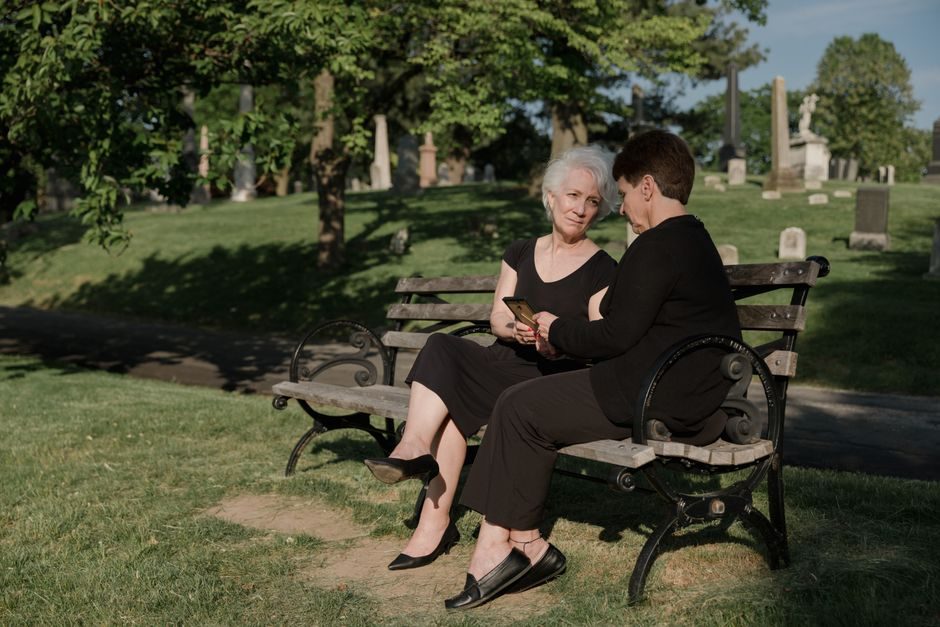
If online searches fail, ask a relative or someone close to the arrangements whether a notice was published and where. Give the person enough context to identify the death, such as the name and approximate period, while respecting family privacy. They may know the publication, funeral provider, or wording used.
A business or organisation considering how to publish information may see options to buy sponsored posts, but families searching for a death notice generally do not need them. For a notice already published, ask the family which newspaper, website, or funeral provider handled it. That specific lead is more useful than repeating a broad search.
If you are not close to the family, keep your message brief and considerate. Explain why you are looking and ask only whether they can point you to a public notice. They may not wish to share details, and a lack of response should not be treated as confirmation that no notice exists.
- Ask which publication or provider handled the notice.
- Share the name and approximate period to help identify it.
- Keep the request brief and respect a family’s privacy.
Contact the funeral provider
If you know the funeral provider, ask whether it can direct you to a publicly available notice or confirm which publication carried it. Have the person’s name and an approximate timeframe ready, since those details can help staff identify the arrangement. Providers may be limited in what they can share.
Ask for the public page or publication name rather than personal information about the family. If staff cannot confirm details, check the provider’s website and the publication pages you have not yet searched. A provider may have helped with arrangements without hosting a notice online.
An organisation may publish information for its own community, but that is different from locating a family notice already published elsewhere. If the provider cannot help, return to the search with any new publication or date clue. Keep a record of what you checked so you do not repeat the same unsuccessful searches.
What to do when an online search finds nothing
Try another search route
Treat a blank search result as a reason to broaden the search, not proof that no notice exists. Try the person’s surname with Rotorua, Bay of Plenty, or a town they lived in, and search without quotation marks if an exact-name search returns nothing. Notices may be indexed inconsistently or appear under a different location.
Check newspaper archives and funeral provider websites separately, because their search tools and publication records may not overlap. If you know a likely publication period, narrow the search to that range; otherwise, try several years rather than assuming the most recent results are complete. Agencies distributing announcements for clients may use white label press release distribution, a separate service from finding a death notice.
Search for variations in the person’s name, including a middle name, an initial, a previous surname, or a familiar spelling. A notice might use a preferred name rather than the legal name you expect. If you are unsure which version is right, ask a relative who knew the person rather than relying on a single search result.
Ask someone who may know
When online searches stall, contact someone with a direct connection to the person or family, if that is appropriate. A relative, friend, or community contact may know which newspaper carried the notice or which funeral provider handled arrangements. Ask a focused question and explain that you are trying to confirm where a notice appeared.
A funeral provider may be able to confirm whether it published a notice, but its records are not a complete directory of Rotorua deaths. Give the provider enough identifying detail to distinguish the person from others with a similar name. Be prepared for privacy limits, and do not expect staff to disclose information they are not authorised to share.
If you are searching on behalf of someone else, agree on what information can be shared before contacting others. A simple request for a publication name or date may be all that is needed. Avoid circulating uncertain details across community groups, where a mistaken identification can cause distress and be difficult to correct.
Check dates, spellings and other possible matches

Allow for name variations
Search more than one spelling when a name may have been entered incorrectly or differently from the form you know. Try a shortened first name, a middle name, initials, or a former surname, and consider Māori macrons where relevant. A publisher exploring online outreach could consider a guest posting service, but it will not verify whether a death notice exists.
Use the person’s age, town, relatives’ names, or other details only to assess whether a result is a likely match. A common surname alone is not enough to identify someone, and names can be shared across generations. Compare several details together before treating a notice as belonging to the person you are seeking.
If a search result uses an unfamiliar spelling, do not immediately assume it is a different person. Family members may have supplied a preferred spelling, or a publication may have recorded a name in another form. Keep a short note of the versions you have checked so you can avoid repeating searches and explain your findings clearly.
Check the relevant time period
Search a wider date range if you do not know when the notice was published. The date of publication may differ from the date of death, and arrangements or notice publication can happen later. Where a site offers date filters, test a broad range first, then narrow it once a likely result appears.
Look beyond the first page of results, especially when searching an archive or a publication with many years of notices. Older records may be filed by edition date, while newer pages may be indexed differently. If you are searching for someone who lived in Rotorua but died elsewhere, try both the local connection and the place of death.
Keep the search terms and dates that produced a promising result, then check the notice itself for details that confirm identity. A matching name is only a starting point; family references, location, and service information may provide useful context. If important details conflict, pause and seek confirmation before sharing the result as fact.
Keep formal records separate from published notices
Know what each record shows
A published death notice is an announcement, usually shared by family or another person arranging publication; it is not the same as an official record of death. An seo agency directory may help an agency research marketing providers, but it has no connection to official death records.
A notice can provide a name, family connections, service details, or a message from those close to the person. Its content depends on what the family chose to publish, so it may omit details that appear in formal records. It should not be treated as proof of identity or as a substitute for documentation needed for legal or administrative purposes.
Formal records are created and held through official channels, with access governed by eligibility and applicable rules. If you need documentation for an estate, benefits, or another official matter, check the relevant government guidance rather than relying on a newspaper notice. The requirements can differ depending on why the record is needed.
Choose the right source
Use publication archives when your aim is to locate an announcement, and official channels when you need a formal record. A newspaper notice may help you find service information or confirm how a family publicly identified someone. It cannot establish every fact that an agency or institution may require.
Before applying for an official record, confirm which authority holds it and what proof of identity or relationship is needed. Follow the current instructions from that authority, since access requirements may vary by record and purpose. Avoid sending personal documents to an unofficial website simply because it offers a search result or a copy.
If you are uncertain which document is being requested, ask the organisation that needs it to specify the record and acceptable format. That can prevent delays caused by submitting a notice when formal evidence is required. Keep any confirmation you receive, and store sensitive records securely rather than forwarding them through public channels.
Share information sensitively with family

Confirm before passing it on
Before sharing a notice, check that it refers to the right person and that the information is publicly available. A name can match more than one person, particularly across Rotorua and nearby Bay of Plenty communities. Read the full notice for family or location details, and ask a trusted relative if anything remains uncertain.
- ☐ Check the person’s identity against the notice before sending it.
- ☐ Use a private channel when contacting relatives.
- ☐ Avoid forwarding personal details beyond the intended recipients.
- ☐ Correct a mistaken match promptly and directly.
Share the original publication page or a clear reference to its source rather than copying an excerpt without context. This helps relatives check the wording, date, and service details themselves. If the page is no longer available, explain where and when you found the information instead of presenting an unverified screenshot as an official record.
Consider the family’s wishes before forwarding details about a service, private message, or personal circumstances. A notice may be public while some related information is not intended for wider circulation. Send it privately to people who need it, and avoid posting identifying details in a public group unless the family has made that choice.
Respect different family choices
Not every family publishes a notice, and the absence of one does not establish that a death has not occurred. Families may choose a private farewell, delay an announcement, or share details through channels that are not searchable online. Respect that choice rather than pressing relatives to explain why no public notice appears.
If you need to contact family, keep the message brief and make clear why you are asking. Give them room to respond when they are ready, and accept that they may not wish to share further information. A considerate approach is especially important when you are not a close relative or the circumstances are unfamiliar.
When a notice includes service information, check whether the details are current before travelling or inviting others. Arrangements can change, and older pages may remain visible in search results. For confirmation, use the contact route given by the family or provider, while taking care not to circulate personal contact details without permission.
Frequently asked questions
Can I find a Rotorua death notice without knowing the newspaper?Yes. Start with the person’s name and a Rotorua or Bay of Plenty location, then check more than one publication archive and funeral provider website. Search engines may show results from different sources, but they do not cover every notice. If you still cannot identify the publication, ask a relative or contact a provider connected with the arrangements, while understanding privacy limits.
Why might a death notice not appear in search results?A family may not have published a notice, or it may appear only in a print edition or an archive that search engines do not index well. Name variations, a different town, and publication timing can also affect results. Try alternate spellings and a broader date range, but remember that no online result does not prove that no notice exists.
What details help confirm that a notice is for the right person?Compare the name with other identifying details in the notice, such as a town, family relationships, age, or service information. Use several clues together rather than relying on a shared name or surname. If details are incomplete or conflict, ask a trusted relative or the relevant provider before passing the notice on as a confirmed match.
Can a published notice be used as official proof of death?Usually, a published notice is an announcement rather than formal proof. It may help you locate family or service information, but an organisation handling legal or administrative matters may require an official record instead. Ask that organisation which document it accepts, then follow the current instructions from the appropriate official authority. Do not assume a notice will meet those requirements.
A careful search starts with what you know
For a Rotorua or Bay of Plenty search, begin with the name and likely location, then vary spellings and check more than one publication source. A blank result is not a complete answer: a family may not have published a notice, or the record may be difficult to find online. Confirm a possible match with more than one detail, and keep announcements distinct from official records.
Your next step is to write down the names, places, and approximate period you can verify, then search those details across publication archives and relevant provider pages. If the trail remains unclear, ask a trusted relative or provider a focused question. Share any result privately and cautiously, especially when identity or family wishes have not been confirmed.
Add Rotorua News as a preferred source on Google


